Clearwater Shelling Guide: Finding the Best Shells on the Gulf Coast by Boat
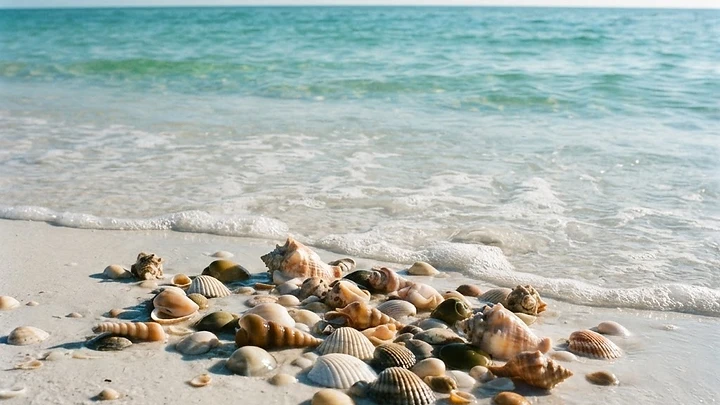
Some of the best shelling on Florida's Gulf Coast happens on remote sandbars and barrier islands you can only reach by boat. A private boat charter in Clearwater Beach puts you on those uncrowded shorelines where competition is low and the pickings are rich — everything from lightning whelks and olive shells to rare junonia fragments.
Whether you're a casual beachcomber or a serious shell collector, this guide covers where to go, what to look for, how to time your trip, and what to bring for a successful shelling adventure on the waters around Clearwater.
Why Shelling by Boat Beats Walking the Beach
Clearwater Beach is beautiful, but its main stretches get combed over early and often. Every morning, dozens of walkers scan the sand before most visitors are even awake. By the time you hit the beach at 10 AM, the best finds are long gone.
When you head out on a Clearwater sandbar tour, you're dropping anchor on stretches of sand that see a tiny fraction of the foot traffic. Sandbars appear and shift with the tides, and many of the barrier islands north of Clearwater Beach — Honeymoon Island, Caladesi Island, and the lesser-known spoil islands in between — have miles of shoreline accessible only by water.
The result? More shells, less competition, and a genuinely peaceful experience wading through warm Gulf shallows with nobody else in sight.
Best Shelling Spots Near Clearwater Beach
Caladesi Island State Park
Caladesi Island is one of the top shelling destinations on the Gulf Coast, and for good reason. Its beaches are consistently ranked among the best in America, and because the island is only accessible by boat or ferry, the shell population stays healthy. You'll find coquinas, lettered olives, fighting conchs, and the occasional intact lightning whelk along the quieter northern stretches.
On a Caladesi Island boat tour, Captain Mark can drop you on the best section depending on the day's tide and wind direction — the Gulf side and the mangrove-lined back bay both produce different types of shells.
Honeymoon Island
Just north of Caladesi, Honeymoon Island offers a different shelling experience. The island does have a causeway and parking, so the areas near the main access points see more traffic. But the further you walk — or better yet, the stretches you can reach by boat — the better the shelling becomes.
On a Honeymoon Island boat tour, you can land on remote sections of beach that day-trippers never reach. The rocky areas on the Gulf side are especially good for finding unusual specimens like shark eyes, apple murex, and turquoise-scalloped calico scallops.
Shifting Sandbars
The sandbars between Clearwater Pass and Dunedin Pass are the hidden gems of local shelling. These shallow sand flats emerge at low tide and collect shells that wash in from the Gulf. Because they change shape constantly, every visit is a surprise — one day you might find a stretch of perfect cockles, the next a windrow of olive shells.
These sandbars are the same ones you'll visit on a sandbar charter, so your shelling trip doubles as a swimming and relaxing day. Win-win.
What You Might Find
The Gulf Coast around Clearwater is home to an impressive variety of shells. Here are some of the most common and most sought-after finds:
- Lightning whelk — the state shell of Texas, but common here too. Look for the distinctive left-handed spiral.
- Lettered olive — smooth, glossy, cylinder-shaped shells with delicate markings. These are a favorite for collectors.
- Fighting conch — thick, sturdy shells with a spiky outer lip. Often found still alive (if so, leave it!).
- Coquinas — tiny, colorful butterfly shells that come in every shade from purple to orange. Great for crafts.
- Banded tulip — an elegant, elongated shell with spiral bands of brown and white.
- Junonia — the holy grail of Gulf Coast shelling. Rare, deep-water shells that occasionally wash up after storms. Finding even a fragment is cause for excitement.
- Shark's teeth — fossilized teeth from prehistoric sharks wash up regularly, especially after rough weather. Dark gray or black, they're easy to spot against white sand.
Timing Your Shelling Trip
Timing matters more than almost anything else when it comes to shelling. Here's what to know:
Low tide is prime time. When the tide goes out, it exposes fresh sand and shells that were underwater hours before. The first hour of an outgoing tide and the first hour after low tide are typically the most productive windows.
After a storm, the pickings are best. Rough seas churn up shells from deeper water and deposit them on beaches and sandbars. If there's been a blow in the Gulf a day or two before your charter, you're in for a treat. (Of course, Captain Mark will always make the final call on whether conditions are safe to head out — safety comes first.)
Morning light is your friend. Shells are easier to spot in the low-angle light of early morning. The sun glints off wet shells and makes them stand out against the sand. Plus, you'll beat the afternoon heat.
When you request to book your charter, let Captain Mark know you're interested in shelling — he'll plan the route and timing to put you on the best spots for the day's conditions.
What to Bring for a Shelling Charter
Shelling requires a few extras beyond your normal boat day packing list:
- A mesh bag or bucket. Mesh bags are ideal because they let sand and water drain away. Avoid plastic bags — wet shells in a sealed bag will smell terrible by the end of the day.
- Water shoes. Some of the best shelling spots have broken shell fragments or occasional rocks. A pair of cheap water shoes saves your feet.
- Sunscreen and a hat. You'll be exposed to full sun on open sandbars. Reapply often.
- A small shovel or scoop. Optional, but useful for sifting through shell beds in the wet sand.
Your charter includes a cooler with ice and bottled water, so you can store your shells on ice if you like — it keeps them fresh and prevents any odor. You're welcome to bring snacks and drinks (adult beverages are fine, just no glass containers).
Shelling Ethics: Take Only Empty Shells
This is important. Always check whether a shell is occupied before pocketing it. Hermit crabs, mollusks, and other creatures live in shells, and removing a living animal from the water is both harmful to the ecosystem and illegal in Florida for many species.
A simple test: if the shell feels heavier than expected or has a door-like operculum covering the opening, there's likely something living inside. Place it back in the water gently.
It's also good practice to leave some shells behind. Shells provide habitat for hermit crabs and stabilize beaches against erosion. Take your favorites, take a few extras for friends, but don't strip a beach bare.
Making a Day of It
The beauty of a shelling charter is that it's not just about shells. You're out on the Gulf Coast water, and a good trip blends shelling with swimming, dolphin spotting, and simple relaxation. The 4-Hour Island & Sandbar Adventure ($519 for up to 6 guests) is ideal — it gives you enough time to visit multiple shelling spots, take a swim, and still enjoy a scenic cruise through the local waterways.
If you want a shorter outing, the 2-Hour Sandbar & Swim Charter ($329) can still deliver a solid shelling experience on a nearby sandbar, especially at low tide. And for the truly dedicated, the 6-Hour Custom Island Adventure ($749) lets you hit Honeymoon, Caladesi, and the sandbars in a single day.
All charters depart from 663 Bay Esplanade, Clearwater Beach, FL, and every trip returns to the dock by 8:00 PM. Your captain is USCG-licensed, fuel and safety equipment are included, and you'll have a Bluetooth sound system for your favorite playlist while you sort through the day's finds.
Ready to Go Shelling?
The best shells are waiting on shores most people never reach. Contact us to book your shelling charter, and Captain Mark will put together a route timed to the tides and tailored to what you're hoping to find. See you on the water.